July 29, 2026
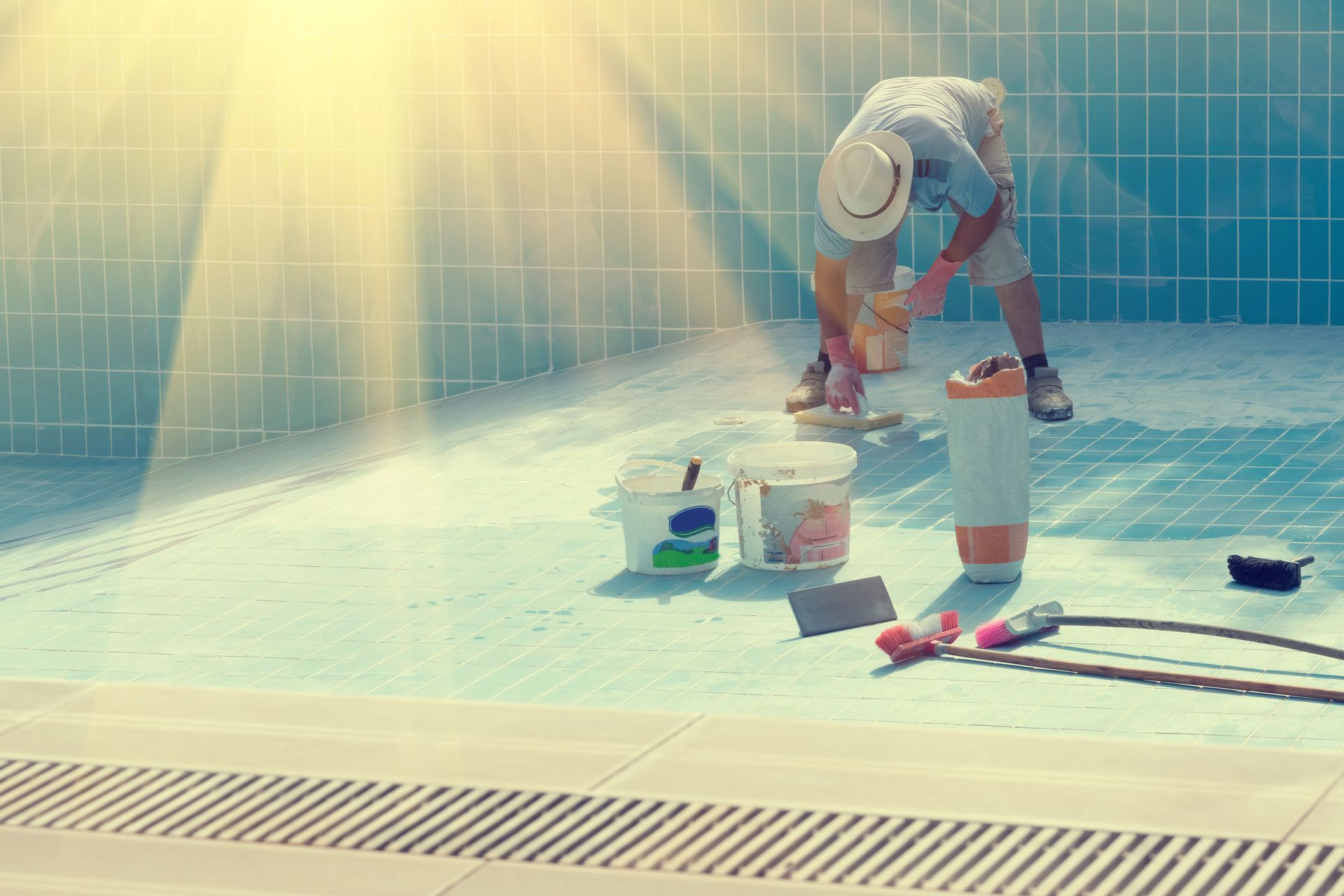
Swimming pools are designed to provide enjoyment, relaxation, and a place for gathering, but maintaining safe conditions requires consistent attention to structural integrity and surface quality. Over time, pool surfaces can deteriorate due to constant exposure to water, chemicals, and environmental elements. Cracks, rough textures, and worn finishes not only affect appearance but can also create safety concerns for swimmers. This is why investing in a pool resurfacing service plays a critical role in maintaining a safe and reliable swimming environment.
Many pool owners focus on water treatment and filtration systems, but the condition of the pool surface itself is just as important. A damaged or aging surface can contribute to slips, scrapes, and even structural leaks that compromise both safety and efficiency. By maintaining a smooth, durable finish, a pool resurfacing service helps ensure that swimmers can enjoy the space comfortably while reducing potential hazards. Addressing surface issues early also helps prevent more extensive damage that could require costly repairs.
According to the U.S. Environmental Protection Agency (EPA), undetected minor property leaks—including cracks in pools and damaged in-ground systems—waste nearly one trillion gallons of water nationwide every year. This highlights the importance of maintaining pool structures and addressing even small issues before they escalate. Preventative measures, including resurfacing, help reduce water loss and support more efficient operation.
We’ve seen how proper surface maintenance contributes directly to safer swimming conditions. Here are the key ways resurfacing supports safety and long-term performance for residential and commercial pools. Each of these factors plays a role in creating a more dependable and enjoyable swimming environment.
Maintaining Smooth and Safe Pool Surfaces
Reducing Rough Surface Areas
Over time, pool surfaces can become rough due to wear, chemical exposure, and environmental conditions. These rough patches can cause discomfort or minor injuries for swimmers. A pool resurfacing service restores a smooth finish, making the surface safer and more comfortable for everyone using the pool. This improvement is especially noticeable in high-use areas where wear tends to occur more quickly.
Preventing Scrapes and Irritation
Damaged surfaces can lead to cuts, abrasions, or skin irritation, especially for children or frequent swimmers. By addressing these issues, resurfacing helps create a more user-friendly environment. A smoother surface also improves overall enjoyment and confidence while swimming.
Improving Footing and Stability
Uneven or deteriorating surfaces can affect footing, particularly in shallow areas or steps. Restoring the pool surface helps ensure consistent traction, reducing the likelihood of slips. This added stability is especially important in high-traffic areas of the pool. Better footing also supports safer entry and exit from the water.
Enhancing Overall Comfort
A well-maintained surface contributes to a more enjoyable swimming experience. Smooth finishes allow swimmers to move freely without concern, supporting both safety and comfort throughout the pool. This level of comfort helps create a more inviting and relaxing environment.
Preventing Structural Damage and Leaks
Addressing Surface Cracks Early
Cracks in the pool surface can allow water to seep into underlying structures. Over time, this can lead to more significant damage. A pool resurfacing service helps repair these cracks before they compromise the integrity of the pool. Early intervention is key to avoiding more extensive structural concerns.
Reducing Water Loss
Even minor leaks can result in substantial water loss over time. By sealing surface imperfections, resurfacing helps maintain proper water levels and reduces unnecessary waste. This supports both environmental responsibility and cost efficiency. Maintaining proper water levels also helps preserve system balance.
Protecting Internal Components
Water intrusion can affect the pool’s internal systems, including plumbing and structural supports. Maintaining a strong surface barrier helps protect these components from damage and ensures long-term functionality. This protection helps extend the lifespan of the entire pool system.
Supporting Long-Term Structural Integrity
By reinforcing the pool’s surface, resurfacing contributes to the overall strength of the structure. This helps prevent future issues and ensures that the pool remains safe for continued use. A strong surface foundation is essential for reliable long-term performance.
Improving Water Quality and Cleanliness
Reducing Algae and Bacteria Growth
Rough or damaged surfaces can create small crevices where algae and bacteria thrive. A pool resurfacing service eliminates these areas, making it more difficult for contaminants to accumulate and improving overall water quality. Cleaner surfaces contribute to a healthier swimming environment.
Enhancing Chemical Efficiency
A smooth, well-maintained surface allows pool chemicals to work more effectively. This helps maintain balanced water conditions and reduces the need for excessive chemical use. Improved efficiency also supports more consistent water clarity.
Supporting Easier Cleaning
Clean, even surfaces are easier to maintain. Debris and dirt are less likely to cling to a properly resurfaced pool, making routine cleaning more efficient and effective. This reduces the time and effort required for ongoing maintenance.
Maintaining Clear Water Conditions
Improved surface conditions contribute to clearer water by reducing the buildup of contaminants. This supports a safer and more visually appealing swimming environment. Clear water also enhances visibility for swimmers.
Enhancing Visibility and Pool Safety
Improving Surface Appearance
A worn or discolored pool surface can make it difficult to see clearly underwater. Resurfacing restores a clean and consistent finish, improving visibility throughout the pool. This is especially important in deeper areas.
Supporting Depth Perception
Clear visibility helps swimmers better judge depth and distance. This is particularly important for children and less experienced swimmers who rely on visual cues for safety. Accurate depth perception reduces the risk of accidents.
Highlighting Pool Features
Steps, ledges, and other features should be easy to see. A refreshed surface ensures that these areas are clearly visible, reducing the risk of accidental slips or missteps. A clear definition of these features improves overall navigation.
Promoting Safer Navigation
Improved visibility allows swimmers to move confidently within the pool. This helps prevent accidents and supports a safer overall experience. Confidence in movement enhances enjoyment as well.
Extending the Lifespan of Pool Surfaces
Reducing Surface Deterioration
Continuous exposure to water and chemicals can wear down pool materials over time. A pool resurfacing service helps restore and protect the surface, slowing the rate of deterioration. This helps maintain consistent performance.
Preventing Recurring Damage
Addressing existing issues reduces the likelihood of further damage. Resurfacing provides a fresh foundation that helps prevent recurring problems. This proactive step minimizes long-term maintenance needs.
Supporting Long-Term Performance
A well-maintained surface ensures consistent performance and reduces the need for frequent repairs. This contributes to a more reliable and durable pool system. Long-term consistency is key to maintaining usability.
Protecting Investment Value
Maintaining the condition of the pool helps preserve its overall value. Regular resurfacing ensures that the pool remains an asset rather than a liability. This is especially important for long-term property value.
Promoting Safer Pool Usage for All Ages
Supporting Family-Friendly Environments
Pools are often used by individuals of all ages. A pool resurfacing service ensures that the environment remains safe for children, adults, and seniors alike. This inclusivity makes the pool more enjoyable for everyone.
Reducing Risk in High-Use Areas
Areas such as steps, shallow zones, and entry points experience the most wear. Resurfacing helps maintain these critical areas, reducing the risk of accidents. These areas benefit the most from regular upkeep.
Encouraging Regular Pool Use
A safe and well-maintained pool encourages consistent use. When swimmers feel confident in the condition of the pool, they are more likely to enjoy it regularly. This supports better overall utilization of the space.
Supporting Peace of Mind
Knowing that the pool is in good condition provides reassurance for property owners and users. This peace of mind is an important aspect of overall safety. Confidence in safety enhances the overall experience.
Maintaining safe swimming conditions requires more than just managing water quality. The condition of the pool surface plays a critical role in ensuring comfort, visibility, and structural integrity. From reducing rough areas and preventing leaks to improving cleanliness and enhancing safety, each benefit highlights the importance of proper surface care.
By investing in a pool resurfacing service, property owners can address potential hazards before they become serious concerns. This proactive approach helps maintain a safe, efficient, and visually appealing pool environment for years to come.
If you’re ready to improve safety and extend the life of your pool, contact Mr. Marcite, Inc today to learn how a professional
pool resurfacing service can help create a smoother, safer, and more reliable swimming experience.