April 20, 2026
Owning a swimming pool is a dream for many homeowners because it provides a private oasis for relaxation and exercise. However, maintaining that dream requires more than just skimming leaves and adding chlorine. Over time, every aquatic structure faces wear and tear that can compromise the safety and hygiene of the water. While routine maintenance is essential, there comes a point where simple repairs are no longer enough to keep the environment pristine. This is where the concept of a comprehensive update becomes vital for the longevity of your investment. By understanding the deeper mechanics of how your pool functions, you can see why periodic professional intervention is the only way to ensure a truly sanitary swimming experience for your family and guests.
Upgrading the Internal Filtration System
The heart of any healthy swimming environment is the filtration system, which works tirelessly to remove debris and microscopic contaminants. During a pool renovation, experts often replace outdated sand or cartridge filters with modern high-efficiency models. These advanced systems are capable of trapping much smaller particles, which significantly reduces the cloudiness of the water. When the filtration is optimized, the chemical balance becomes much easier to manage because the hardware is doing more of the heavy lifting. This prevents the buildup of organic matter that serves as food for unwanted bacteria and pathogens.
Beyond just the filter itself, the plumbing and pump components are often updated during these projects. Older pumps may have weak flow rates that create dead zones where water remains stagnant and collects grime. A pool renovation allows for the installation of variable-speed pumps that circulate water more effectively throughout the entire basin. This improved circulation ensures that sanitizing chemicals are distributed evenly, leaving no corner of the structure vulnerable to contamination. By eliminating these stagnant areas, you create a more uniform environment that stays cleaner with much less manual effort from the homeowner.
Resurfacing for a Smooth Protective Layer
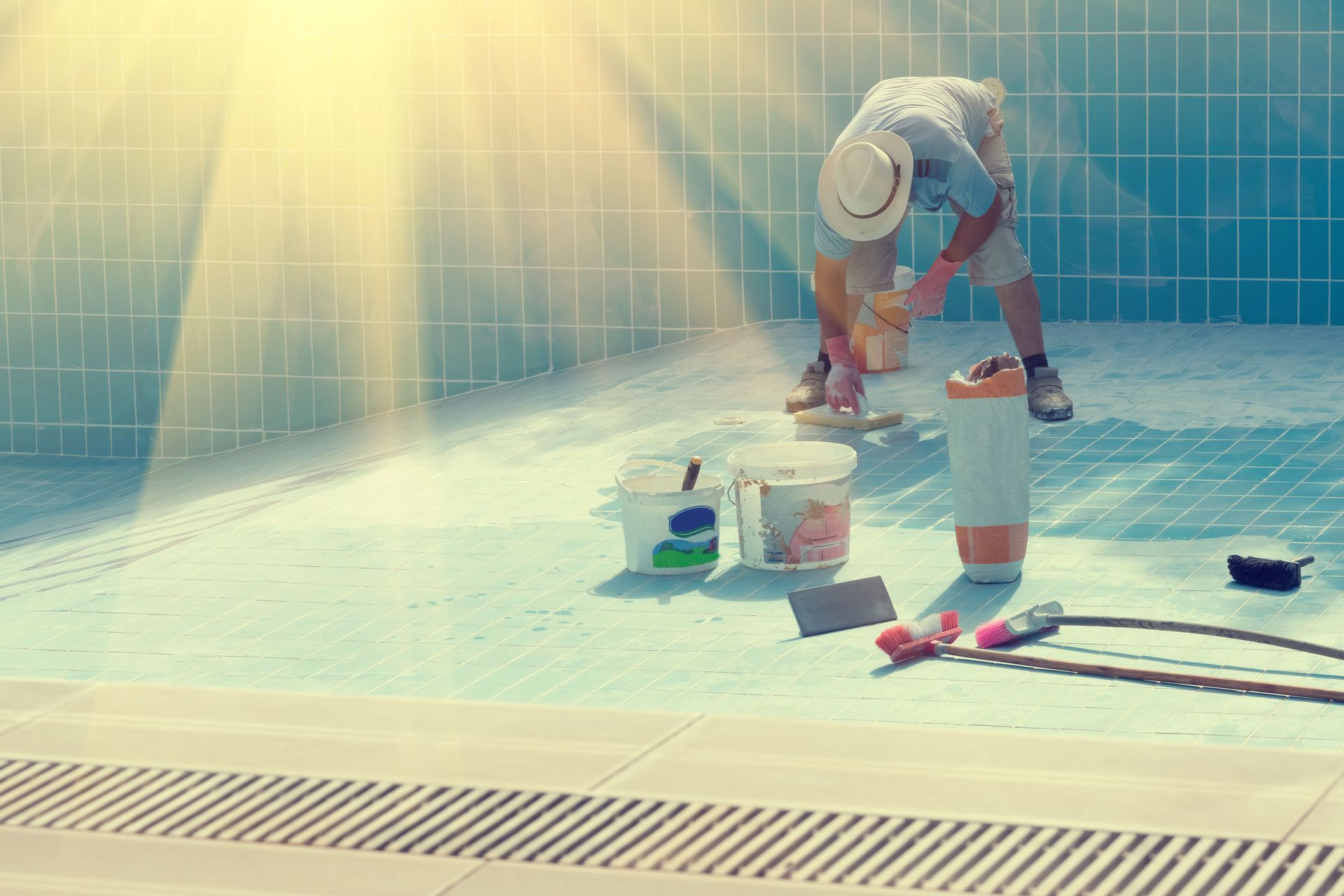
The interior surface of your pool is the first line of defense against algae and chemical erosion. Over the years, plaster can become rough, pitted, or cracked, which creates the perfect hiding spot for microscopic organisms. These tiny crevices are nearly impossible to reach with a standard brush or vacuum, meaning that even a seemingly clear pool could be harboring hidden colonies of bacteria. Choosing to invest in a pool renovation allows you to apply a fresh, nonporous finish that denies these organisms a place to take root. A smooth surface is inherently more hygienic because it lacks the texture required for algae to cling and multiply.
Modern surfacing materials also offer better resistance to the harsh chemicals required for water treatment. When an old surface begins to delaminate or chalk, it releases minerals into the water that can throw off the delicate pH balance. This chemical instability makes it much harder to maintain a healthy swimming environment and can lead to skin or eye irritation for swimmers. According to The Spruce, keeping your pool free of algae requires cleaning, testing, and backwashing at least once every two weeks. However, if the underlying surface is compromised, even this rigorous schedule might not be enough to prevent a green tint from taking over your backyard retreat.
Enhancing Chemical Management and Automation
Technological advancements have changed the way we think about water chemistry and sanitation. Many older installations rely on manual chlorine additions, which can lead to spikes and drops in effectiveness. Integrating salt chlorine generators or ultraviolet light sanitizers during a pool renovation can provide a much more consistent level of protection. These systems work automatically to neutralize contaminants as the water passes through the equipment pad. This automation reduces the margin for human error and ensures that the water is always at a therapeutic and safe level for everyone who enters.
Automatic chemical feeders also help protect the structural integrity of the renovation work itself. Consistent chemical levels prevent the aggressive water conditions that lead to scaling or etching on new tile and plaster. When you opt for a pool renovation that includes smart sensors, you can monitor your water quality from a smartphone app. This real-time data allows you to catch minor imbalances before they turn into major health hazards. By shifting from reactive maintenance to a proactive automated approach, you ensure that the water remains crystal clear and inviting every single day of the summer season.
Correcting Structural Issues and Leaks
A pool that is losing water is a pool that is difficult to keep clean and balanced. Hidden leaks in the shell or the plumbing lines allow treated water to escape while allowing untreated groundwater to seep in. This groundwater often contains minerals and fertilizers that can cloud the water and spark sudden algae blooms. A professional pool renovation involves a thorough pressure test of the lines and a structural inspection of the shell to identify and seal these vulnerabilities. Fixing these leaks ensures that your expensive chemicals stay inside the pool where they belong rather than draining into the surrounding soil.
Structural repairs also prevent the surrounding landscape from washing into the basin. When a deck begins to shift or a coping stone becomes loose, dirt and debris have a direct path into the water. This extra organic load puts an enormous strain on your cleaning equipment and can lead to frequent filter clogs. During the renovation process, these transition points are reinforced with high-quality materials and waterproof seals. By creating a tight barrier between the yard and the water, you significantly reduce the amount of external pollutants that your system has to process on a daily basis.
Integrating Modern Cleaning Technology
The tools used to clean pools have evolved significantly in recent years, and some of the best features require professional installation. Floor cleaning systems use a series of pop-up nozzles to sweep debris toward a central drain automatically. Including this type of technology during a pool renovation can practically eliminate the need for manual vacuuming. These systems are designed to work with the natural flow of the water to ensure that every square inch of the floor is scoured regularly. This level of comprehensive cleaning is difficult to achieve with portable cleaners that can get stuck in corners or miss certain spots.
Even if an in-floor system is not part of the plan, a renovation provides the opportunity to install dedicated suction or pressure lines for robotic cleaners. These dedicated ports allow for more powerful cleaning cycles without cluttering the skimmer or interfering with the main filtration cycle. Many modern robots also feature advanced scrubbing brushes that can climb walls and clean the waterline where oils and sunscreens tend to accumulate. By making these technological upgrades, you ensure that the physical removal of waste is constant and thorough. A cleaner pool is naturally a healthier pool because there is less organic material available to compromise the water quality.
Maintaining a swimming environment that is both beautiful and safe requires a commitment to modern standards and high-quality equipment. A pool renovation is the most effective way to address the underlying issues that lead to cloudy water and persistent algae growth. By focusing on better filtration, smoother surfaces, and automated chemistry, you create a system that works for you rather than against you. Taking these steps ensures that your backyard remains a source of joy and health for many years to come. If you are ready to transform your outdoor space into a pristine oasis, contact Mr. Marcite, Inc.