June 15, 2026
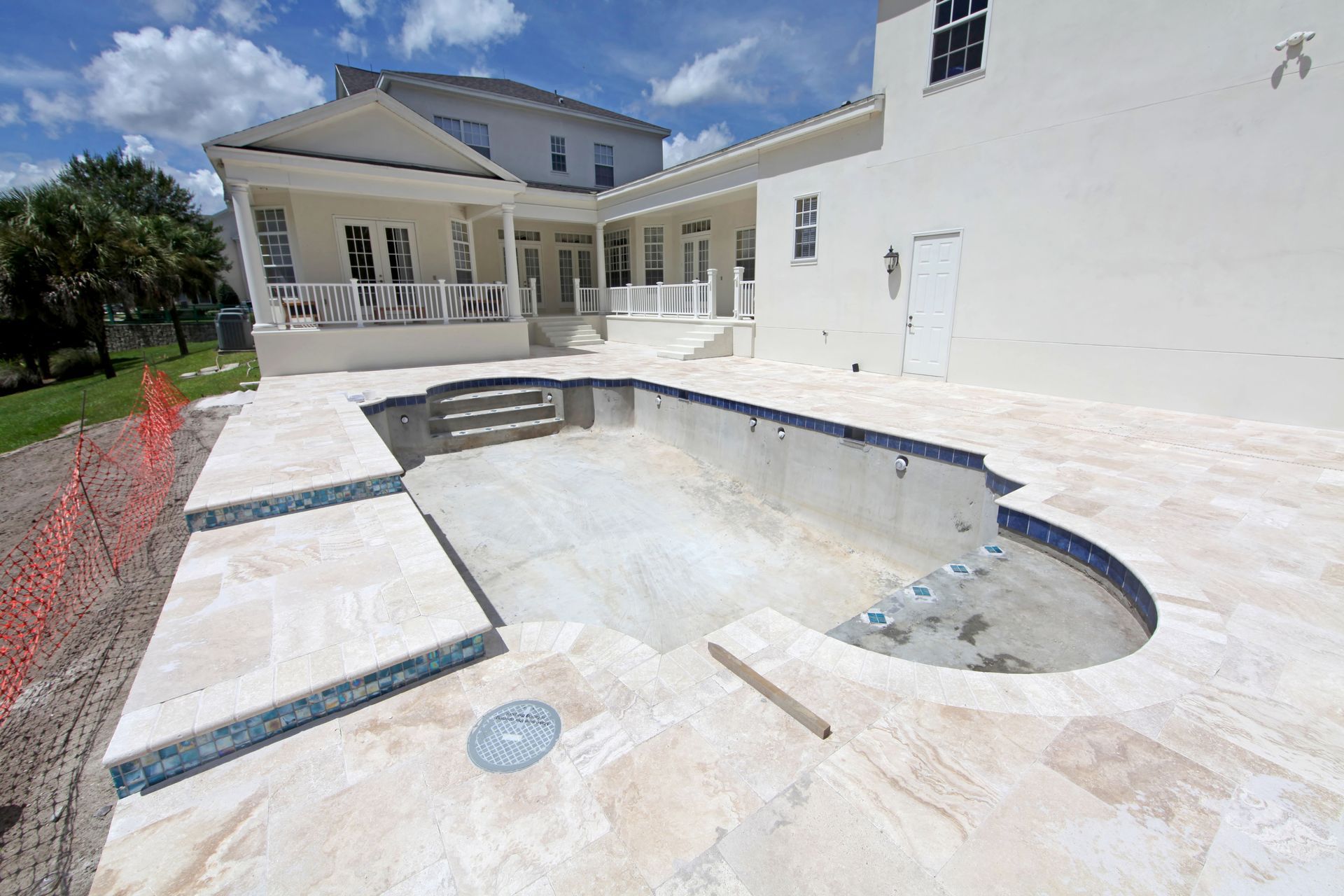
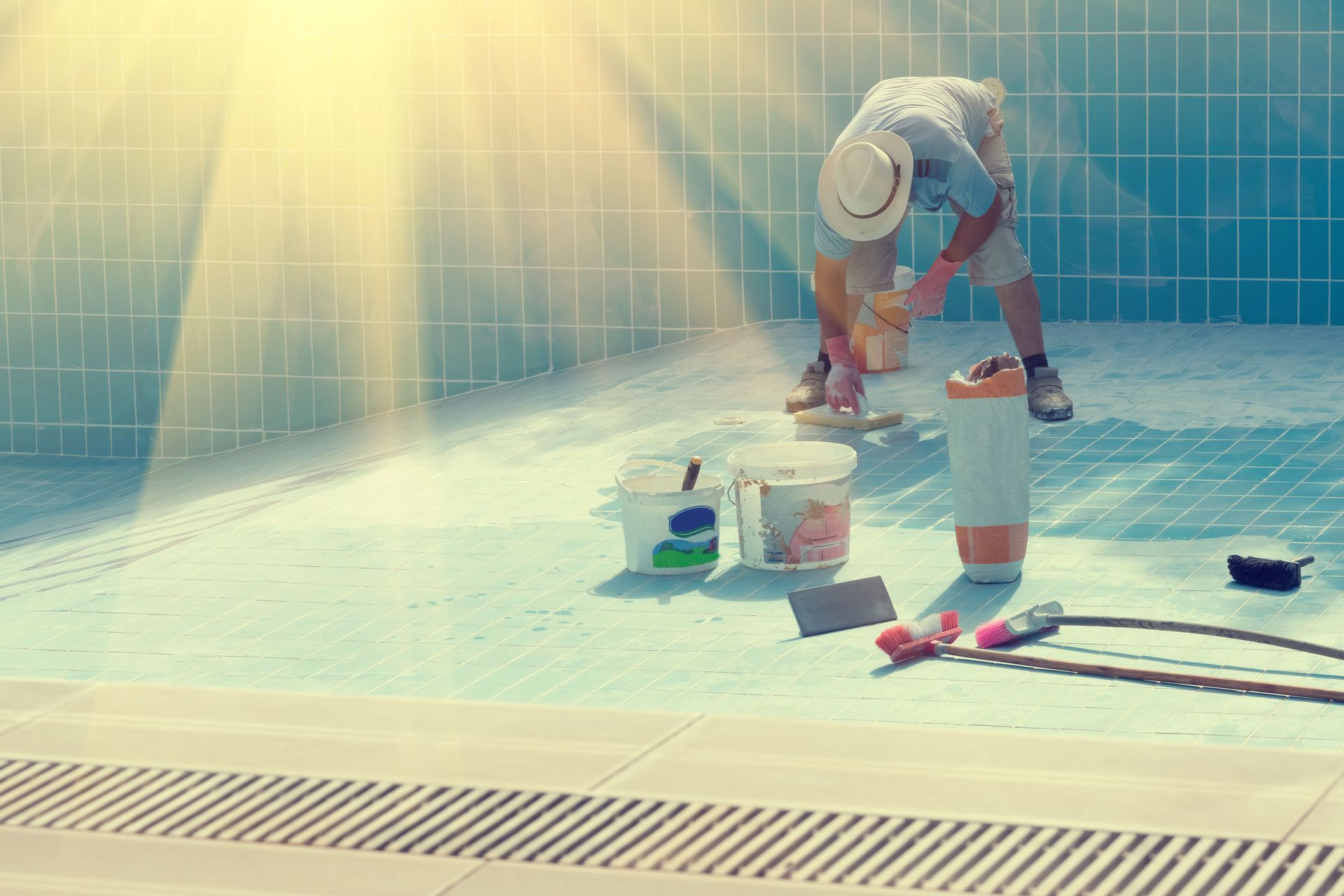
Owning a pool is one of those things that feels great until time and constant use start to show up on the surface. Over the years, exposure to chemicals, sunlight, temperature swings, and everyday use naturally wears things down. That’s where pool resurfacing comes into the picture. It helps refresh the structure and keep everything functioning the way it should, not just looking good on the surface. Many pool owners don’t think about it until visible signs appear, but pool resurfacing plays a much bigger role in long-term performance than most people expect. It’s less about a cosmetic touch-up and more about keeping the entire system healthy, stable, and enjoyable over time.
Structural Wear and Surface Aging in Pool Systems
Every pool surface slowly breaks down, even when it’s well cared for. Tiny cracks, rough patches, and fading color are all signs of natural aging. Pool resurfacing helps restore the structure before those small issues turn into bigger concerns that affect usability. When the surface weakens, it can also impact water retention and circulation. Pool resurfacing steps in as a way to reinforce the foundation and extend the life of the entire pool system. It’s one of those maintenance steps that quietly prevents larger repairs down the road.
Water Chemistry Balance Impact On Surface Health
Pool water chemistry doesn’t just affect swimmers—it also interacts constantly with the surface. Imbalanced pH levels or harsh chemical conditions gradually wear down finishes. Pool resurfacing helps reset that worn layer, creating a fresh base that responds better to chemical balance. Without it, surfaces can become porous and harder to maintain, which leads to ongoing water quality challenges. Pool resurfacing supports a more stable environment where chemicals can do their job without overworking the structure itself.
Leak Prevention and Surface Cracks Over Time
Small cracks might not seem like a big deal at first, but they often grow slowly and allow water to seep into places it shouldn’t. Pool resurfacing addresses these early warning signs before they turn into structural problems. By sealing and renewing the surface, pool resurfacing helps maintain proper water levels and reduces stress on underlying materials. It also helps prevent long-term damage that can develop when moisture gets beneath the surface layer.
Aesthetic Appeal and Visual Clarity Enhancement
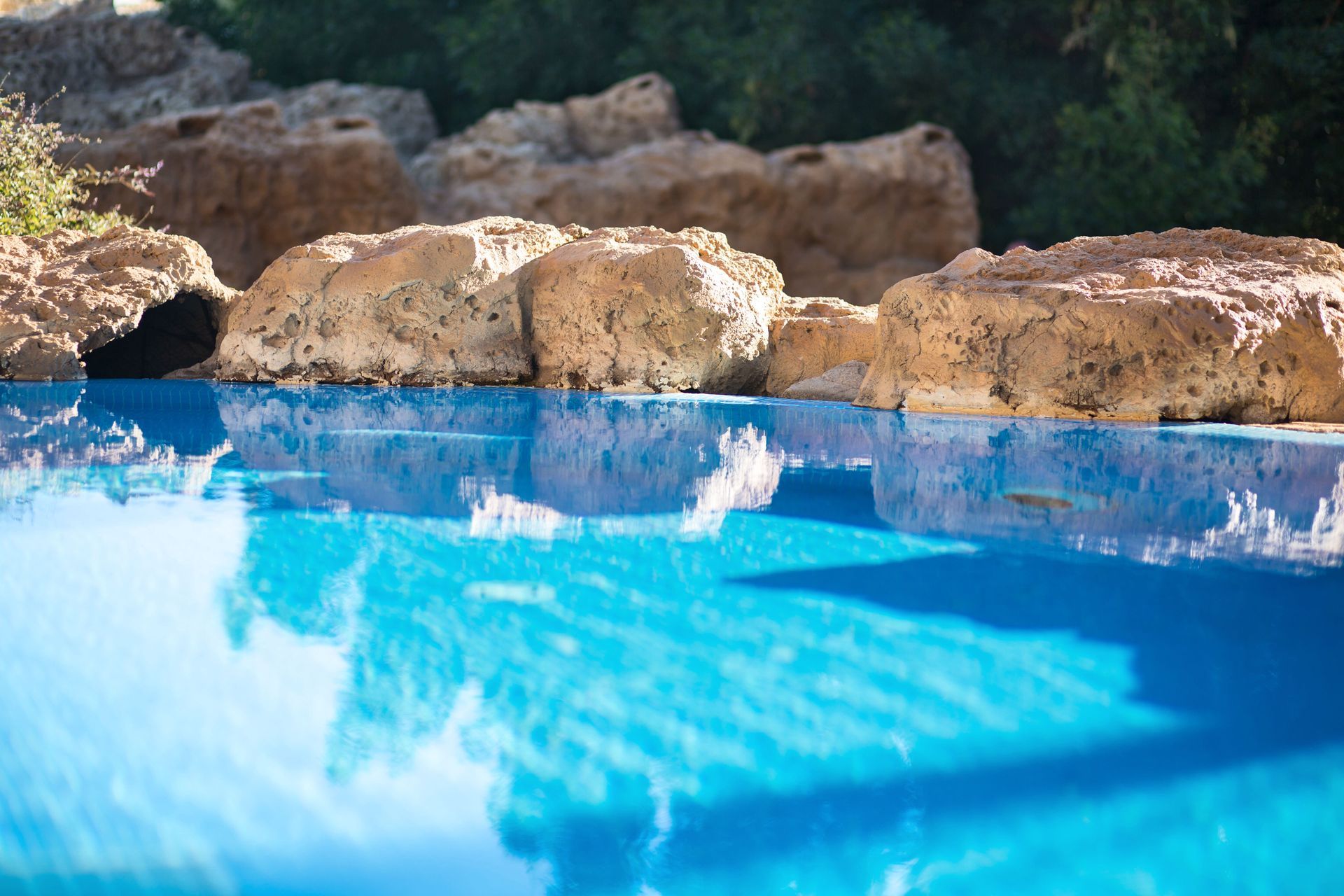
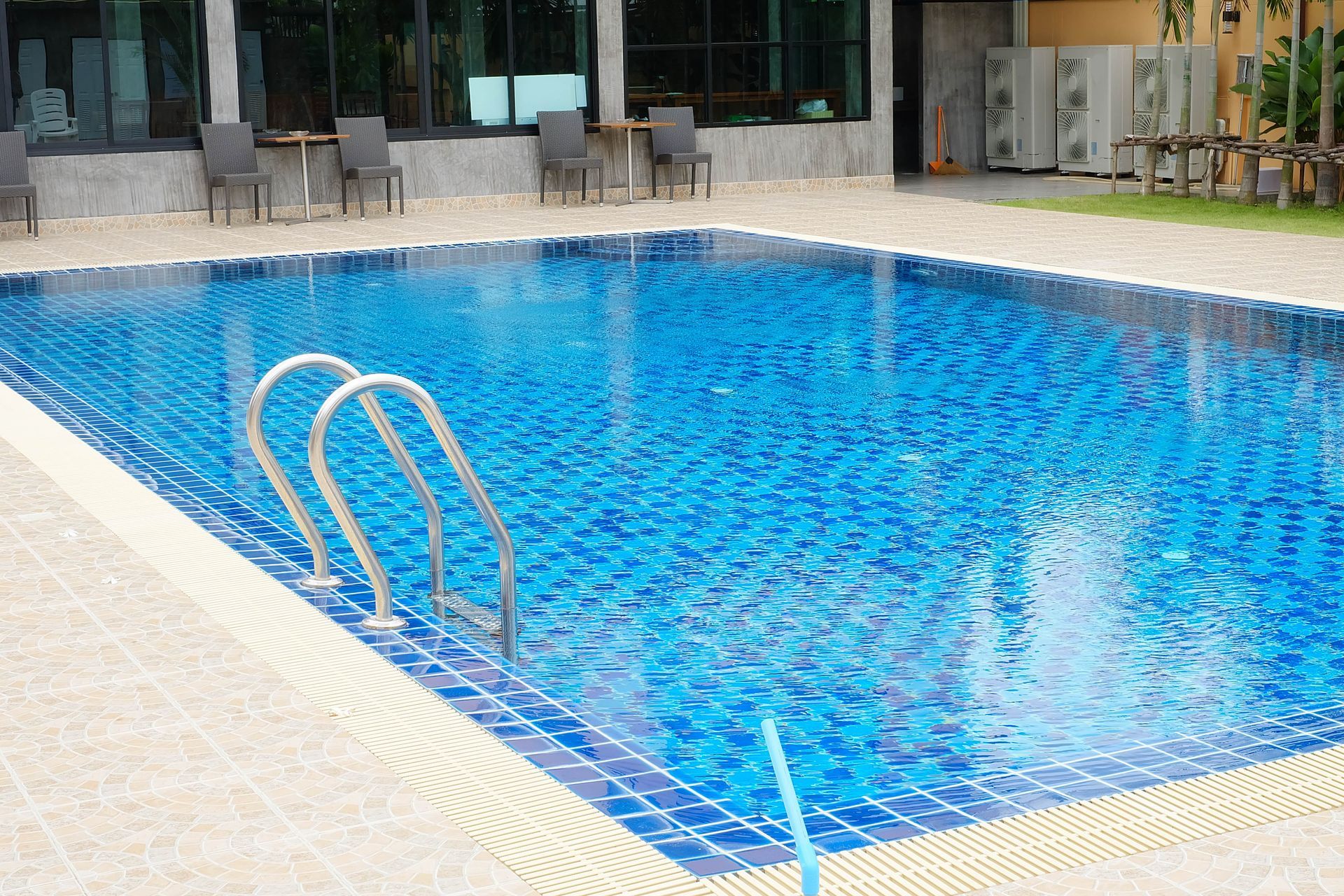
Appearance matters when it comes to pools, especially since they’re often a focal point of outdoor spaces. Fading, stains, and rough textures can take away from the overall experience. Pool resurfacing restores clarity and color, giving the pool a refreshed look that feels more inviting. Beyond looks, a smoother surface also improves how light reflects in the water, which can make the entire area feel cleaner and more vibrant. Pool resurfacing brings back that polished feel without changing the pool’s core structure. It also helps maintain a more consistent finish that holds up better against daily use and environmental exposure.
Energy Efficiency and Circulation Efficiency Improvements
What many people don’t realize is that surface conditions can influence how efficiently a pool operates. Rough or deteriorating finishes can disrupt water flow and make circulation systems work harder. Pool resurfacing smooths things out, allowing pumps and filtration systems to function more efficiently. Over time, this can help reduce strain on equipment and support more balanced water movement. Pool resurfacing indirectly supports energy efficiency by keeping internal systems from overcompensating for surface irregularities. It can also contribute to more consistent circulation patterns, which helps maintain cleaner and more evenly distributed water. In the long run, this smoother operation supports overall system performance and reliability.
Safety and Surface Texture Considerations for Swimmers
Pool resurfacing restores a smoother, more consistent texture that improves comfort and reduces the risk of minor scrapes or irritation. This matters especially for families or frequent-use environments where safety and comfort go hand in hand. Pool resurfacing helps ensure the pool remains enjoyable without small surface issues getting in the way of relaxation. It also helps maintain a more uniform finish that feels better underfoot across the entire pool surface. Over time, this contributes to a more pleasant and worry-free swimming experience. It can also help reduce areas where debris or buildup tends to collect, making the surface feel cleaner during regular use. This added consistency supports a more enjoyable swimming environment overall.
Cost Control Through Long-Term Maintenance Cycles
Waiting too long to address surface issues often leads to more expensive repairs later on. Pool resurfacing works as a preventive step that helps manage long-term maintenance costs. By renewing the surface at appropriate intervals, pool resurfacing reduces the likelihood of deeper structural problems forming beneath the visible layer. It’s a practical way to extend the lifespan of the pool while avoiding sudden, unexpected repair needs that can disrupt use and budgeting. It also helps keep minor imperfections from spreading into larger areas that require more extensive correction. Over time, this proactive approach supports more predictable upkeep and smoother overall pool ownership.
Material Lifespan and Finish Options Over Time
Different pool finishes age at different rates, and understanding that timeline helps with planning long-term care. According to Live South Florida Realty, Inc., standard plaster pool surfaces have an average lifespan of seven to 12 years, whereas more durable pebble or aggregate finishes can last between 12 and 20 years. Pool resurfacing becomes an essential part of keeping those materials performing within their intended lifespan. Choosing the right timing for pool resurfacing ensures the structure continues to function efficiently while maintaining its intended durability and appearance.
Property Value and Market Perception Benefits
A well-maintained pool can positively influence how a property is perceived overall. Visible wear can make a space feel older than it is, while a refreshed surface creates a more updated impression. Pool resurfacing helps maintain that visual appeal, which can matter when thinking about long-term property value. Even beyond resale considerations, pool resurfacing contributes to a more enjoyable everyday experience that reflects well-maintained outdoor living spaces. It also helps ensure the pool area continues to feel cohesive with the rest of the property’s design and upkeep. Over time, this kind of consistent care supports a stronger overall impression of quality and attention to detail.
Long Term Performance and System Health Optimization
When everything is working together smoothly, a pool feels effortless to maintain. Pool resurfacing plays a central role in keeping that balance intact by supporting both structural integrity and water system efficiency. It helps reduce strain on circulation equipment, maintains surface durability, and keeps the pool environment more stable overall. In many cases, pairing ongoing maintenance with professional guidance ensures that pool resurfacing is done with long-term performance in mind, not just short-term appearance improvements. Pool resurfacing ultimately becomes part of a larger strategy for keeping everything running smoothly year after year.
Long-term pool care isn’t just about cleaning or balancing chemicals—it’s about maintaining the structure itself so everything else can function properly. Pool resurfacing helps protect against wear, improves efficiency, and keeps the pool comfortable and visually appealing over time. It supports both performance and longevity in a way that directly impacts everyday enjoyment and helps address minor surface issues before they develop into larger structural concerns. When approached consistently and at the right intervals, pool resurfacing becomes one of the most important steps in preserving a reliable and long-lasting pool system.